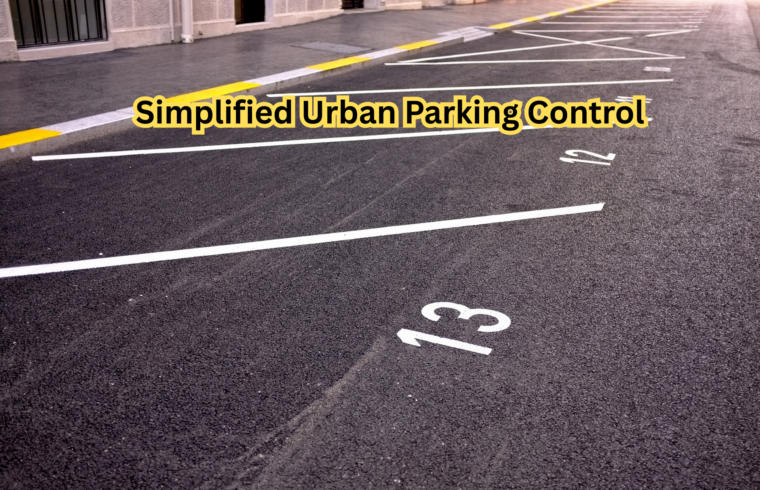
Simplified Urban Parking Control aims to make parking in expanding cities simpler, quicker, and more coordinated. Conventional parking systems find it difficult to keep up with the growing number of vehicles. Simplified Urban Parking Control uses clever technologies, clear regulations, and user-friendly procedures to reduce traffic, enhance safety, and ensure smoother mobility. This approach helps both city officials and drivers by promoting Simplified Urban Parking Control across urban areas.
Need for Simplified Parking Systems in Cities
Cities deal with issues like traffic, unlawful parking, and a shortage of available space. By providing streamlined processes, digital assistance, and effective space utilization, simplified parking control aids in resolving these problems. Drivers spend less time looking for spots when parking procedures are made simpler, which lowers emissions and traffic bottlenecks. This improves the effectiveness and usability of urban transportation for all.
Role of Technology in Urban Parking Control
Sensors, cameras, and smartphone apps are just a few of the technologies that modern parking systems largely rely on. These tools offer up-to-date information about vehicle entry, space availability, and payment methods. Authorities can efficiently manage parking while drivers get a flawless experience thanks to automated alarms and digital monitoring. In addition to reducing physical labor, technology helps avoid typical problems like duplicate parking and unlawful parking.
Benefits for Drivers and City Authorities
Both administrators and users gain from simplified urban parking systems. Apps and digital maps help drivers find parking more easily, save time, and prevent confusion. Parking zones, enforcement, and revenue collection are all better under the authority of the authorities. Cities become more structured, less crowded, and more supportive of sustainable mobility goals when there are fewer conflicts and more efficient operations.
Improving Compliance Through Smart Enforcement
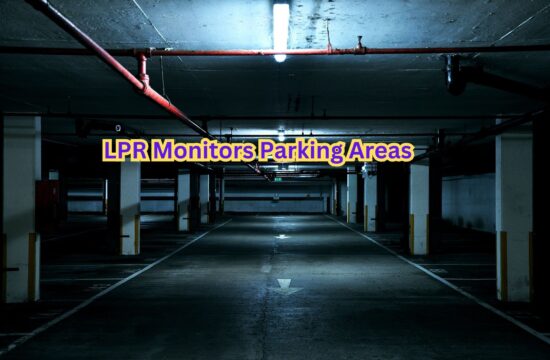
In addition to lowering infractions, smart enforcement methods promote appropriate parking behavior. Cities may administer regulations more effectively with digital tickets, license plate recognition, and automated monitoring. Drivers behave more responsibly when rules are enforced in a clear and consistent manner. Everyone utilizing urban parking facilities benefits from fewer conflicts, safer streets, and an improved overall experience.
Future of Simplified Urban Parking Control
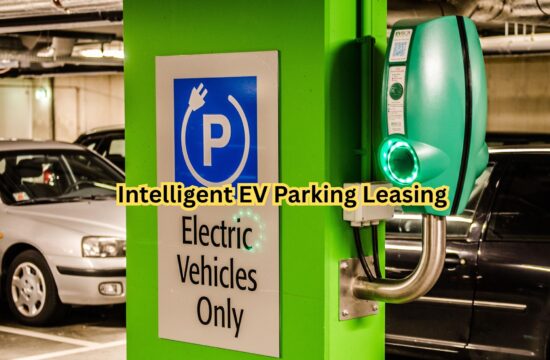
Automated, fully integrated systems that include digital payments, smart infrastructure, and real-time data are the way of the future for urban parking. Simplified parking solutions will aid in efficiently managing demand as cities continue to expand. Urban populations will find parking more convenient, sustainable, and accessible thanks to innovations like smart garages, EV-friendly zones, and AI-based forecasts.